
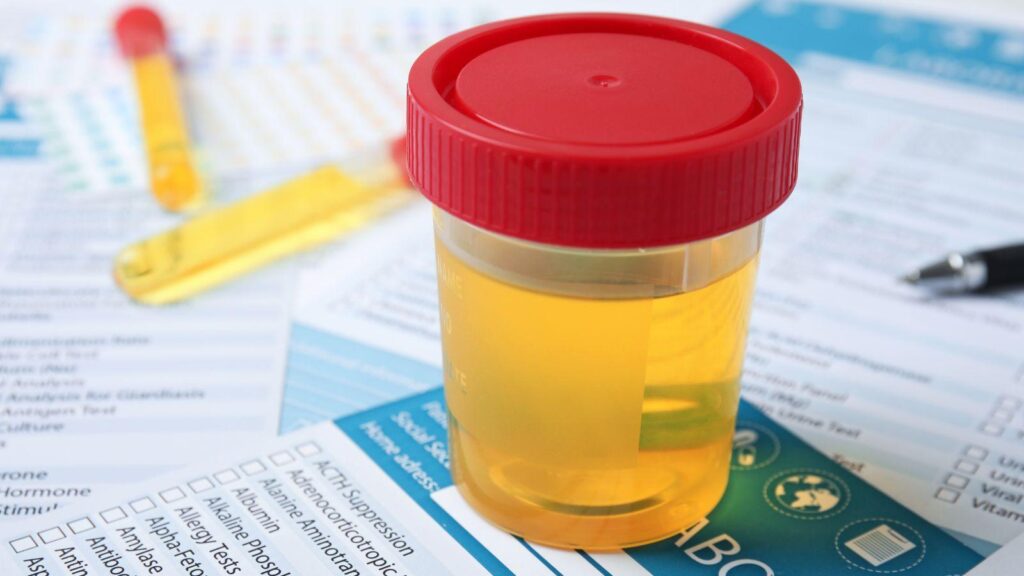
Drug testing used to be something that happened to people. An employer arranged it. A probation officer ordered it. A clinic administered it. The patient or employee was the subject of the test rather than the operator of it. That arrangement made sense in an era when laboratory analysis was the only reliable option, but it has not made sense for at least a decade. Self-administered testing has improved enough that the centre of gravity has shifted, and the populations using it have widened well beyond what the original framework anticipated.
The technology underneath the shift is mature. Multi-panel cup tests now screen for a wide range of substances simultaneously, return results within minutes, and operate at sensitivity levels that compare favourably with laboratory immunoassay screens for common substance categories. The Substance Abuse and Mental Health Services Administration maintains cutoff guidelines that point-of-care tests are designed to align with, and the better products on the market validate against those thresholds.
Specialist suppliers offering Drug Test Cups at 16-panel configurations have become standard inventory for healthcare clinics, recovery programs, employer testing pools and individual users who want clarity around their own situation. The 16-panel format covers the common substance categories plus several less frequently tested ones, including some prescription opioids and synthetic cannabinoids that do not appear on shorter panels.
The use cases have widened. Sober living houses use them as part of accountability protocols. Recovery programs use them to support rather than punish. Healthcare clinics use them as front-end screens before more sensitive analytical work. Individuals navigating their own questions use them privately. None of this is dramatic. All of it represents a meaningful shift away from testing as something done to people and toward testing as something people can do for themselves.
The privacy implications are significant. Point-of-care testing keeps the result inside the testers control, which matters for populations that have historically had reasons to mistrust how lab-based results are documented and shared. The clinical accuracy is sufficient for most use cases. The cost is a fraction of laboratory equivalents.
FAQ
How accurate are point-of-care drug test cups? Modern multi-panel cups achieve accuracy comparable to laboratory immunoassay screens for the substances they target, with sensitivity typically above 95 percent at standard cutoffs.
What does a 16-panel test cover? A 16-panel test covers common drug categories plus less frequently tested ones, including some prescription opioids, synthetic substances and benzodiazepines beyond the standard panel.
Can results be used as legal evidence? Point-of-care results typically require laboratory confirmation before they are admissible in legal proceedings.
How are positive results interpreted? Positive screens indicate the presence of metabolites above a defined cutoff. They do not by themselves confirm impairment or recent use without further analysis.