
In a world where consumers are becoming more thoughtful about what they buy, the words “natural” and “plant-based” have become increasingly common. But beyond the labels and marketing claims, many people are asking a more meaningful question: What actually goes into the products they use?
Real botanicals offer an answer rooted in nature. From aromatic herbs and flowers to leaves, roots, and seeds, plants have been part of traditional wellness, beauty, and self-care practices for centuries. Today, modern consumers are rediscovering these ingredients and looking for products that combine thoughtful formulation with quality sourcing.
Understanding the value of real botanicals can help people make more informed choices and appreciate the care involved in creating plant-based products.
What Are Botanicals?
Botanicals are ingredients derived from plants. Depending on the product, they may include flowers, leaves, roots, bark, fruits, seeds, or other plant parts. These ingredients can be used in skincare, haircare, personal care, fragrances, teas, and a variety of wellness products.
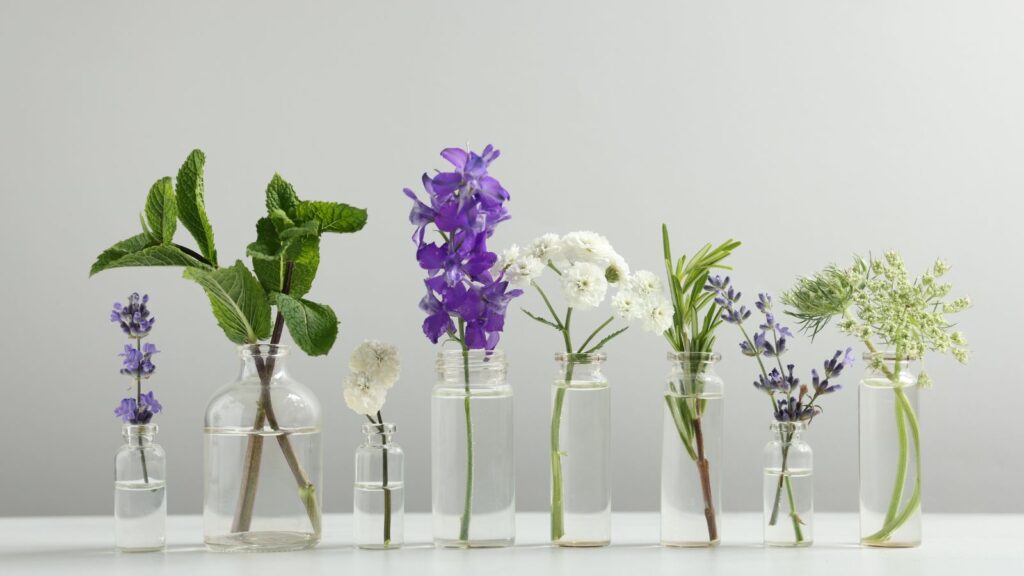
Examples include lavender, chamomile, aloe vera, rosemary, calendula, peppermint, and green tea. Each botanical has its own characteristics, aroma, and traditional uses.
However, the term “botanical” alone does not automatically guarantee quality. The way a plant is grown, harvested, processed, extracted, and incorporated into a finished product can all influence the final result.
That is why responsible sourcing and transparent formulation matter.
Why Ingredient Quality Makes a Difference
The quality of a botanical ingredient begins long before it reaches a product formula. Growing conditions, soil quality, climate, harvesting practices, and storage can all affect plant materials.
Careful processing is equally important. Different extraction methods may be used to obtain aromatic compounds, oils, or other plant components. The method selected should suit the ingredient and the intended application.
Premium-quality products generally place greater emphasis on ingredient consistency, sourcing standards, and manufacturing controls. This does not necessarily mean that every expensive product is better, but it does highlight the importance of looking beyond packaging and price.
Consumers can benefit from checking whether a brand provides clear ingredient information, explains its sourcing practices, and avoids vague claims that are difficult to verify.
Botanicals in Everyday Self-Care
Plant-based ingredients have become especially popular in personal-care routines. Botanical extracts and oils are commonly found in cleansers, moisturizers, shampoos, body products, and other formulations.
For many people, the appeal is not only the ingredient itself but also the overall experience. A product containing botanical elements may offer a pleasant scent, a distinctive texture, or a connection to familiar natural rituals.
For example, chamomile and calendula are often associated with gentle skincare formulations, while rosemary and peppermint are frequently used in haircare and aromatic products.
Still, natural ingredients are not automatically suitable for everyone. Essential oils and concentrated botanical extracts can cause irritation or allergic reactions in some individuals. Patch testing and checking the full ingredient list are sensible steps, particularly for people with sensitive skin.
Natural Does Not Mean Unregulated
One common misconception is that products made with natural ingredients do not require careful testing or quality control. In reality, botanical products benefit from the same attention to safety, stability, and consistency as other consumer products.
Plants contain complex mixtures of naturally occurring compounds. Their composition can vary depending on the species, growing conditions, and processing method. Proper identification, quality testing, and controlled manufacturing help ensure that ingredients are suitable for their intended use.
Consumers should also be cautious of products that promise dramatic results or claim to treat serious health conditions without credible evidence. Responsible brands communicate clearly about what their products are designed to do and avoid misleading guarantees.
Quality is not just about having a plant name on the label. It is about how that ingredient is handled from source to finished product.
The Importance of Transparency
Transparency has become one of the most valuable qualities a modern brand can offer. Consumers want to know what they are purchasing, where ingredients come from, and why particular components are included.
A transparent botanical brand may provide information about:
- Ingredient names and formulations
- Sourcing and production practices
- Recommended product use
- Relevant safety information
- Storage instructions
- Manufacturing and quality standards
Clear information allows customers to make choices that align with their preferences and needs. It also helps build trust over time.
Rather than relying solely on terms such as “pure,” “clean,” or “natural,” shoppers should look for specific, understandable information that supports those claims.
Sustainability and Responsible Sourcing
The growing interest in botanicals also raises important questions about sustainability. Plants are renewable resources, but that does not mean every harvesting practice is automatically environmentally responsible.
Sustainable sourcing may involve responsible cultivation, careful harvesting, reduced waste, efficient water use, and consideration for local ecosystems. Some brands also focus on recyclable packaging or production methods designed to reduce their environmental footprint.
Consumers who value sustainability can look for brands that explain their environmental commitments in concrete terms rather than relying only on broad green marketing language.
Supporting responsible sourcing can help encourage better practices throughout the supply chain.
How to Choose Botanical Products Wisely
When selecting a botanical product, start by identifying what you want from it. Are you looking for a particular texture, scent, skincare function, or personal-care experience? Once you know your goal, review the ingredient list and product instructions.
It is also useful to consider your individual sensitivities. If you have reacted to fragrances, essential oils, or specific plants in the past, check whether those ingredients are present.
Look for brands that provide realistic descriptions, clear usage guidance, and accessible product information. Independent reviews may offer useful insight into user experience, but they should not replace careful consideration of the formulation and the manufacturer’s claims.
A thoughtful purchase is one based on understanding, not simply on the promise that something is “natural.”
A More Considered Approach to Plant-Based Products
Real botanicals can bring distinctive qualities to personal care, beauty, and wellness products. Their appeal comes from their natural origins, long history of use, and the variety of ways they can be incorporated into modern formulations.
But the true value of a botanical product depends on more than the presence of a plant-derived ingredient. Sourcing, processing, formulation, testing, transparency, and responsible manufacturing all play a role.
For consumers, the best approach is to stay curious, read labels, ask questions, and choose products from brands that prioritize quality over exaggerated claims.
When nature and careful formulation come together, botanical ingredients can become part of a more thoughtful everyday routine—one that values both the materials used and the standards behind the finished product.