
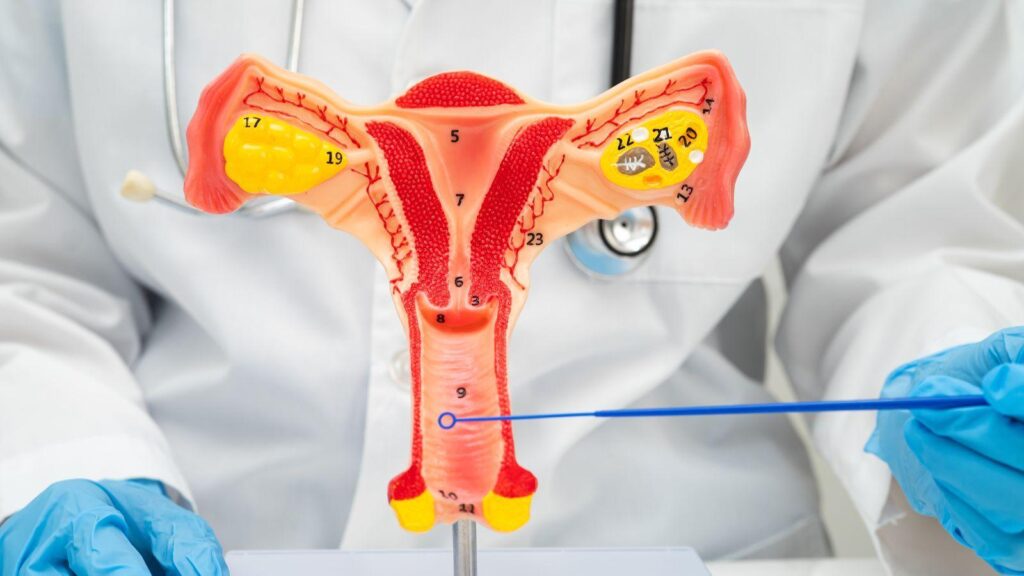
The connection between the vaginal microbiome and reproductive outcomes has moved from niche research into a much broader clinical conversation over the last decade. What started as a handful of papers in specialist journals has turned into a substantial body of evidence connecting microbial balance to everything from conception rates to early pregnancy outcomes. For couples planning a pregnancy, this matters, because it shifts the conversation from a single fertility number to a richer picture of reproductive health.
This article walks through what the research actually says, what is still uncertain, and how modern at-home testing fits into the picture.
Why the vaginal microbiome matters in fertility
The lower reproductive tract is not a sterile space. It hosts a specialised microbial community whose composition shifts in response to hormones, hygiene, diet, antibiotics, and sexual activity. When that community is dominated by certain Lactobacillus species, the environment tends to be protective. When it is disrupted, the risk profile for infection, inflammation, and poor reproductive outcomes appears to rise.
Over the last decade, large cohort studies across Europe, North America, and East Asia have linked specific microbial patterns to outcomes that matter for anyone trying to conceive. Reduced implantation rates in IVF cycles, higher rates of miscarriage, and increased risk of preterm birth have all been associated with microbiome disruption in multiple independent research groups.
What the strongest studies have shown
A few findings have held up across multiple research groups and methodologies:
- A Lactobacillus-dominant microbiome is associated with higher implantation rates in IVF cycles across European and Asian cohorts.
- Bacterial vaginosis at the time of conception is linked to higher rates of early pregnancy loss in several large cohort studies.
- Specific non-Lactobacillus organisms, including certain Gardnerella and Atopobium species, appear disproportionately in samples taken from patients with unexplained infertility.
- Antibiotic and probiotic interventions have shown mixed but often encouraging results when targeted at patients with disrupted microbiomes, suggesting that the biology is modifiable rather than fixed.
The research is not yet at the point where clinicians can routinely predict outcomes from a single sample. What it does suggest is that microbial composition is a meaningful variable in reproductive health, and one that has historically been ignored in standard fertility workups.
What a microbiome screen actually shows
The older generation of vaginal testing relied on pH strips, basic cultures, and microscopy. These tools capture only a fragment of the full community. A modern DNA-sequencing test identifies organisms by their genetic signature, which means it can quantify species that do not grow on standard media and can surface patterns that traditional clinic workflows miss.
A microbiome test with fertility insights built on broad-spectrum sequencing typically reports:
- The community state type, or the dominant pattern associated with health or disruption
- Relative abundance of each identified organism, not just presence or absence
- Specific pathogens linked to bacterial vaginosis, aerobic vaginitis, and candidiasis
- A plain-language summary that connects the findings to reproductive and general health
The reporting is as important as the sequencing itself. A wall of species names is not useful without context. The better services translate the data into a clear clinical picture that a patient or their provider can actually act on.
Who tends to benefit most from microbiome testing
Not everyone needs a detailed microbial profile. For patients conceiving without difficulty, the information is interesting rather than essential. The situations where testing tends to add the most value include:
- Unexplained infertility where standard workups have not identified a cause
- Recurrent miscarriage, particularly where other causes have been ruled out
- Recurrent bacterial vaginosis or yeast infection, which can disrupt conception timing
- Patients preparing for IVF, where implantation outcomes are sensitive to microbiome composition
- Patients with a history of sexually transmitted infections where long-term microbial effects may persist
In these situations, a detailed profile can surface a modifiable factor that has been quietly influencing outcomes. When the findings point to a treatable pattern, the next steps become concrete rather than speculative.
The limits of current evidence
Researchers are candid about what is still unknown. Not every disrupted microbiome translates into a fertility problem, and not every Lactobacillus-dominant profile guarantees a straightforward conception. Individual variation is considerable, and pregnancy itself reshapes the microbiome in ways that complicate interpretation. Treatment protocols are also still evolving, with different research groups reporting mixed results for specific antibiotic and probiotic strategies.
The sensible framing is that microbiome testing is a source of evidence to weigh alongside other factors, not a deterministic verdict. That is how most thoughtful providers present it to their patients, and it matches the tone of the current international research literature.
How the experience has changed
For many people, the biggest shift is not the underlying science but the accessibility of testing. Self-collected samples, clear written reports, and remote provider support have turned what used to be a specialist workup into something a patient can initiate on their own. This is consistent with a broader move across developed health systems toward at-home diagnostics for cervical screening, sexually transmitted infection testing, and now microbiome assessment.
That accessibility matters for couples who are trying to build a clearer picture of their reproductive health without spending months navigating referrals. A well-designed test kit, collected at home and analysed by a certified laboratory, can shorten the feedback loop from weeks to days.
A balanced conclusion
The vaginal microbiome is no longer a fringe topic in reproductive health. It is a meaningful variable that deserves a place in the broader conversation alongside hormones, cycles, and sperm analysis. Testing alone does not cause pregnancy, but it does produce information that can guide decisions, inform treatments, and in some cases explain a picture that has been frustratingly blank on paper.
For anyone weighing the decision to test, the practical starting point is to look at the quality of the science behind the service, the transparency of the laboratory, and the support that comes with the results. Those three factors separate the serious options from the rest.