

Your appearance is shaped by far more than the products you use or the time you spend getting ready. Underlying health conditions — some common, some less talked about — can have a visible and lasting impact on your skin, hair, nails, and overall presentation. For many people, especially those navigating identity, transition, or simply wanting to feel their best, understanding the connection between health and appearance is empowering rather than discouraging.
The good news is that most conditions affecting grooming and appearance are manageable with the right knowledge and products. Here’s a closer look at some of the most common health-related challenges and practical ways to address them.
Hormonal Imbalances and Skin Changes
Hormones regulate almost everything in the body, and the skin is no exception. Whether you’re experiencing natural hormonal shifts due to puberty, menstruation, menopause, or gender-affirming hormone therapy, fluctuations in oestrogen, testosterone, and progesterone directly affect oil production, skin texture, and the likelihood of breakouts.
Increased androgens tend to stimulate sebaceous glands, which can lead to oilier skin and acne. Oestrogen, on the other hand, often promotes a smoother, more hydrated complexion. People undergoing hormone replacement therapy frequently report significant changes in their skin — sometimes positive, sometimes requiring an adjustment to their skincare routine.
What helps: A gentle, non-comedogenic cleanser used twice daily is the foundation of managing hormonally driven skin changes. Salicylic acid or niacinamide can help regulate oil production and reduce inflammation. If breakouts are persistent, a dermatologist can advise on prescription topical treatments or oral options such as low-dose antibiotics or spironolactone.
Psoriasis and Eczema: When Skin Becomes Reactive
Psoriasis and eczema (atopic dermatitis) are chronic inflammatory skin conditions that affect millions of people globally. Both cause discomfort and visible changes to the skin — psoriasis typically presents as thick, scaly patches, while eczema manifests as dry, itchy, and sometimes weeping skin. Either condition can appear on the face, hands, and scalp, areas that are particularly difficult to conceal and can affect self-confidence significantly.
Stress, environmental triggers, and certain skincare products can exacerbate both conditions. Fragrance, alcohol-based formulas, and harsh surfactants are frequent culprits that turn a manageable skin day into an uncomfortable flare.
What helps: Fragrance-free moisturisers and emollients form the cornerstone of managing both conditions. For psoriasis, topical corticosteroids or vitamin D analogues prescribed by a doctor can reduce plaque formation. Eczema often responds well to barrier-repair creams containing ceramides. Identifying personal triggers — through a skin diary or allergy testing — is one of the most effective long-term strategies.
Scalp Conditions: Dandruff, Seborrhoeic Dermatitis, and Beyond
The scalp is skin, and it is just as susceptible to health-related disruptions as the rest of the body. Dandruff affects roughly half of all adults at some point and is one of the most common reasons people feel self-conscious about their hair and clothing. Characterised by flaking and sometimes itching, dandruff is typically caused by an overgrowth of a naturally occurring fungus called Malassezia, which irritates the scalp and speeds up the shedding of skin cells.
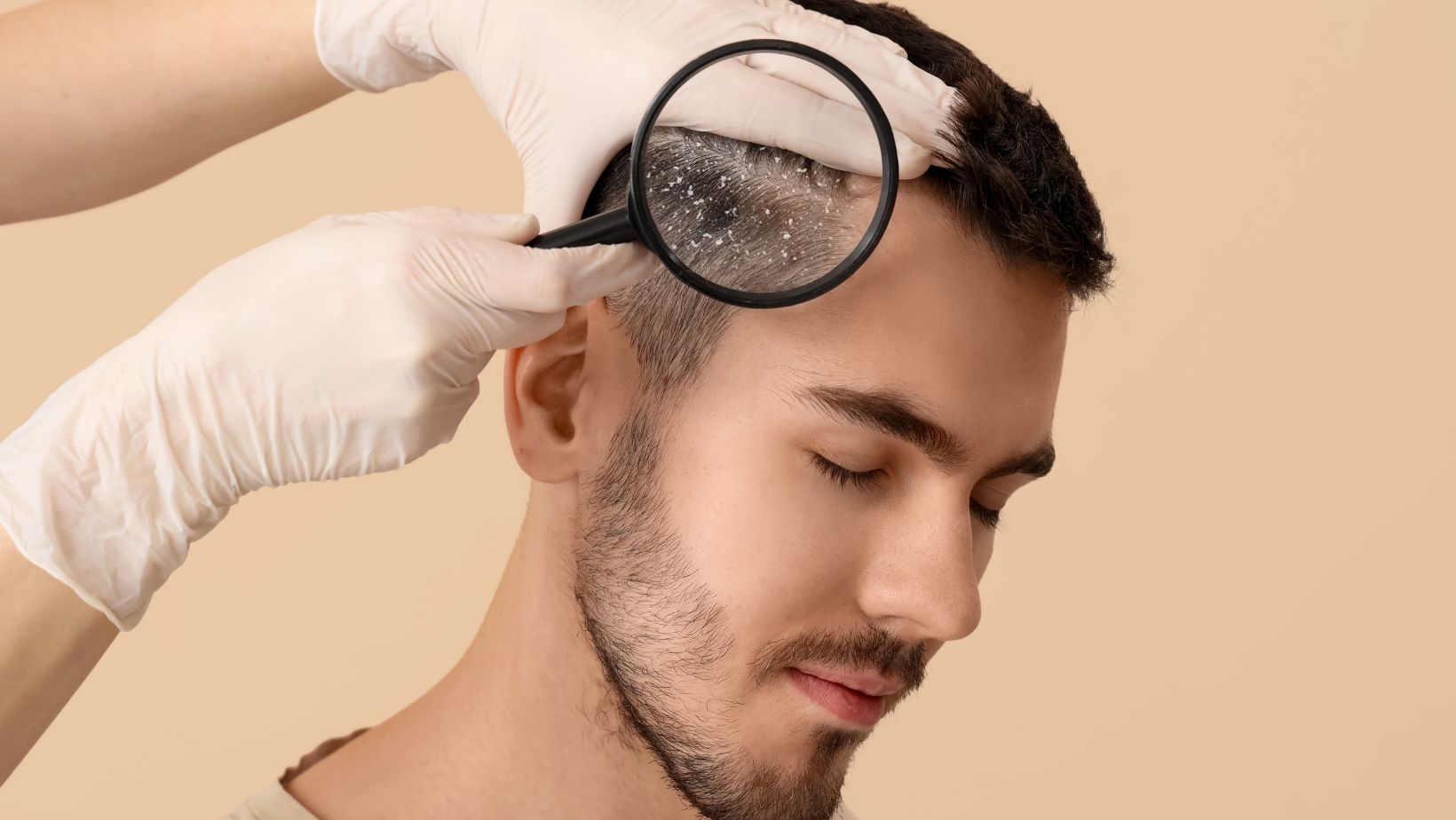
Seborrhoeic dermatitis is a more severe form of the same condition, often producing red, greasy patches and more noticeable flaking. Hormonal changes, stress, and certain medications can all trigger or worsen scalp conditions, making them particularly relevant for people undergoing transitions or managing ongoing health issues.
The scalp is an extension of the skin, and it reacts to the same inflammatory triggers that cause problems elsewhere on the body.
Scalp health deserves the same targeted care, especially for those dealing with persistent flaking and itching. A dedicated shampoo for dandruff from Hello Jupiter uses naturally derived ingredients to combat dandruff at the source, soothing the scalp and reducing flakes without the harsh chemicals found in many conventional options.
What helps: Consistent use of an active-ingredient shampoo is the most effective first line of treatment. Look for formulas containing zinc pyrithione, ketoconazole, selenium sulphide, or salicylic acid, as these target the fungal or inflammatory causes rather than just masking the symptoms. Avoiding very hot water when washing and reducing styling product build-up can also make a meaningful difference. For persistent or severe symptoms, a GP or dermatologist can rule out other conditions such as psoriasis or contact dermatitis of the scalp.
Iron Deficiency and Hair Loss
Hair loss is one of the most distressing appearance-related health issues, and one of the most common causes is iron deficiency anaemia. Without adequate iron, the body prioritises vital organs over hair follicles, causing hair to enter the telogen (resting) phase prematurely and eventually shed. The result is diffuse thinning rather than patterned baldness, affecting the overall density of the hair across the scalp.
Other nutritional deficiencies — particularly low levels of ferritin, zinc, biotin, and vitamin D — can also contribute to noticeable hair thinning. Thyroid disorders, both hyperthyroidism and hypothyroidism, are another frequently overlooked cause of hair loss that responds well to treatment.
What helps: A blood test is the essential first step. If a deficiency or thyroid dysfunction is identified, treating the underlying cause typically leads to hair regrowth over several months. Iron-rich foods, supplementation, or medication can all play a role depending on severity. In the meantime, scalp-stimulating shampoos and gentle handling of hair (avoiding tight styles, heat damage, and aggressive brushing) can minimise further loss.
Rosacea: Managing Redness and Facial Flushing
Rosacea is a chronic skin condition that causes redness, visible blood vessels, and sometimes acne-like bumps across the nose, cheeks, and forehead. It affects people of all backgrounds and can be particularly challenging to manage because many common skincare products — including some marketed as soothing — contain ingredients that trigger flares.
Sun exposure, alcohol, spicy food, temperature extremes, and emotional stress are among the most widely reported rosacea triggers. Because the condition mimics a flushed or sunburnt complexion, it can be mistaken for sensitivity or even embarrassment, which adds a psychological layer to an already physically uncomfortable experience.
What helps: Mineral sunscreen with an SPF of at least 30 should be applied daily, as UV exposure is one of the most consistent rosacea triggers. A simple, fragrance-free routine with minimal active ingredients reduces the risk of irritation. Azelaic acid is one of the few actives well-tolerated by rosacea-prone skin and can help reduce redness and blemishes. Prescription options including topical ivermectin or metronidazole are effective for moderate-to-severe cases.
Hyperpigmentation and Uneven Skin Tone
Melasma, post-inflammatory hyperpigmentation, and sun damage are all conditions that create uneven patches of darker skin, often on the face. They are more common in people with deeper skin tones and can be triggered or worsened by sun exposure, hormonal changes (including those related to contraception and hormone therapy), and inflammation from acne or injury.
For many people, uneven skin tone is a significant source of self-consciousness, and the beauty industry’s tendency to equate flawless skin with worth only compounds this. Understanding that hyperpigmentation is a physiological response rather than a flaw can reframe the relationship people have with their own appearance.
What helps: Daily broad-spectrum SPF use is non-negotiable for managing and preventing hyperpigmentation, as UV exposure darkens existing patches and creates new ones. Ingredients like tranexamic acid, kojic acid, niacinamide, and vitamin C can gradually reduce pigmentation over consistent use. Chemical exfoliants such as glycolic or lactic acid support cell turnover and help fade marks faster. For stubborn melasma, a dermatologist may recommend prescription hydroquinone or combination creams alongside professional treatments.
Taking a Holistic Approach
The thread connecting all of these conditions is that appearance and health are deeply intertwined. Managing a skin or scalp condition is rarely just about vanity — it is about feeling comfortable in your own body, presenting yourself with confidence, and understanding what your skin is trying to tell you about your overall well-being.
Small, consistent habits tend to outperform expensive or complicated routines. Staying hydrated, eating a diet rich in antioxidants and essential fatty acids, managing stress, and getting adequate sleep all create conditions in which skin and hair can thrive. Pair those foundations with targeted, evidence-based products, and most appearance-related health conditions become far more manageable.
If symptoms are severe, persistent, or sudden in onset, seeking advice from a GP or dermatologist is always the right move. Many conditions that seem purely cosmetic have treatable medical causes, and early intervention leads to better outcomes.