
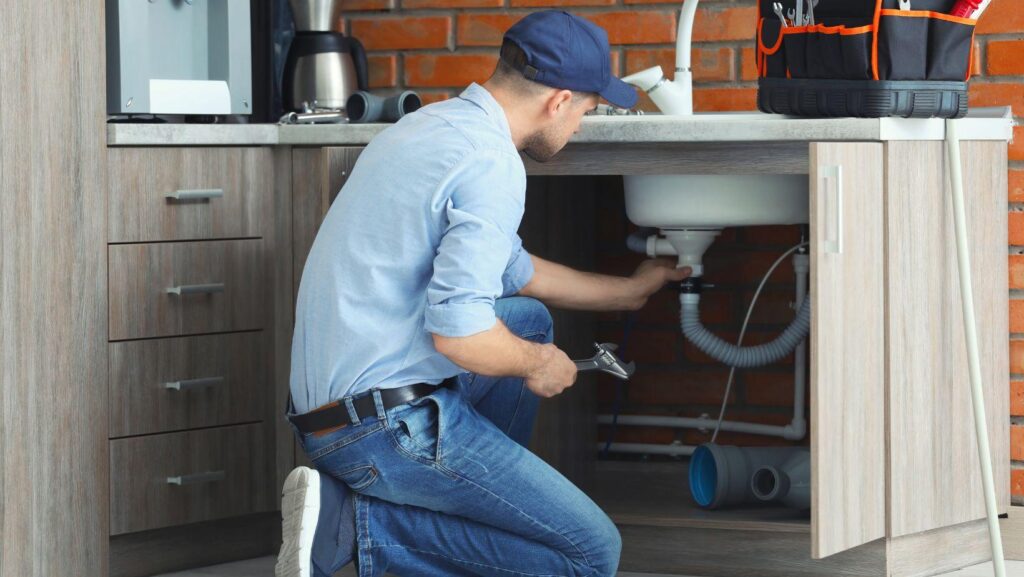
An outdoor kitchen can turn a patio or backyard into a practical space for cooking, entertaining and spending time with family. However, adding plumbing outdoors involves more than simply installing a sink beside a barbecue. Water supply lines, drainage, shut-off valves and appliance connections all need to be planned before construction begins.
Making these decisions early can reduce installation costs, prevent maintenance problems and protect the plumbing system from weather-related damage. Before building cabinets, pouring concrete or installing countertops, consider the following outdoor kitchen plumbing requirements.
Plan the Outdoor Sink Supply Lines
Most outdoor kitchens include a sink for washing hands, preparing food and cleaning cookware. The first decision is whether the sink will need cold water only or both hot and cold water.
Cold water can often be supplied by extending a line from the home’s existing plumbing system. Hot water may require a longer supply line, a nearby water heater or a compact point-of-use heater. The best option depends on the distance from the house, the expected water usage and the outdoor kitchen layout.
Supply lines should be routed through protected areas whenever possible. Pipes installed inside cabinets or walls may still need insulation or protective sleeves, especially in locations exposed to freezing temperatures, direct sunlight or physical impact.
Planning the pipe route before construction also helps avoid unnecessary bends and long runs. A shorter, more direct route can improve water pressure and make future repairs easier.
Design a Reliable Drainage System
Outdoor sink drainage must be planned just as carefully as the water supply. The sink should not simply discharge wastewater onto the ground, into landscaping or towards the building foundation.
Depending on the location and local requirements, the drain may need to connect to the home’s sanitary drainage system. This usually requires the correct drainpipe size, slope, fittings and venting arrangement. Improper drainage can cause slow flow, unpleasant odours, clogs or wastewater backups.
The position of the sink should be confirmed early so the drain connection can be installed before concrete slabs, flooring or permanent cabinets are completed. Retrofitting a drain after construction can be difficult and expensive.
A plumber can also determine whether the proposed installation requires a trap, vent or other drainage components based on the local plumbing code.
Keep Shut-Off Valves Accessible
Every outdoor kitchen should have an accessible shut-off valve for the water supply. This allows the outdoor plumbing to be isolated without turning off water to the entire home.
The valve should be located somewhere protected but easy to reach. Avoid placing it behind permanently installed appliances, sealed wall panels or heavy cabinets. An access panel can provide a clean appearance while keeping the valve available for maintenance.
Individual shut-off valves beneath the sink and near water-connected appliances are also useful. If a faucet, refrigerator line or ice maker develops a leak, the affected fixture can be isolated quickly.
When selecting valves, fittings, tubing and other components, use products that are compatible with the pipe material and connection system. Homeowners and contractors can find a variety of valves, fittings and installation supplies through PlumbingSell.
Choose Components for Outdoor Exposure
Outdoor plumbing components may be exposed to temperature changes, humidity, rain, sunlight and airborne debris. Materials that perform well indoors may deteriorate more quickly when installed in an unprotected outdoor environment.
Faucets, valves and visible fittings should be suitable for exterior use or installed inside weather-resistant cabinets. Pipe penetrations should be sealed to prevent water and pests from entering walls or storage areas.
Plastic piping should be protected from prolonged ultraviolet exposure unless the manufacturer specifically allows outdoor installation. Metal components should also be selected carefully in coastal or high-humidity areas where corrosion may be a concern.
Cabinets should provide ventilation where required while still protecting plumbing connections from direct rain. Any electrical components located near the sink should be installed according to outdoor electrical safety requirements.
Plan Water Lines for Outdoor Appliances
Outdoor refrigerators, ice makers, beverage centres, dishwashers and coffee machines may require dedicated water connections. Confirm each appliance’s requirements before the cabinets and countertops are designed.
The plumbing plan should identify the correct supply-line size, connection type, shut-off location and drainage needs for every appliance. Some appliances may also require water filtration or pressure regulation.
Allow enough clearance to access the connection without removing surrounding cabinetry. Flexible supply lines should not be stretched, sharply bent or trapped behind an appliance.
It is also important to confirm that the selected appliance is approved for outdoor use. An indoor refrigerator or dishwasher may not be designed to handle outdoor temperature changes or moisture exposure.
Prepare the System for Winterisation
In regions where temperatures fall below freezing, winterisation should be included in the original plumbing design. Water left inside outdoor pipes, faucets and appliance lines can freeze, expand and damage the system.
A dedicated indoor shut-off valve with a drain or bleed point can make winterisation much easier. The outdoor supply should be isolated, and the remaining water should be drained from the pipes, faucet and connected appliances.
Depending on the layout, the system may also need compressed-air connections or pipes installed with a slight slope to assist drainage. Outdoor hoses, filters and removable appliance lines should be disconnected and stored according to the manufacturer’s recommendations.
Even frost-resistant fixtures must be installed correctly to work as intended. They should not be treated as a replacement for proper winterisation when the entire outdoor kitchen will be unused during cold weather.
Check Local Plumbing Requirements
Outdoor plumbing work may require permits, inspections or installation by a licensed plumber. Requirements can vary depending on the location, connection to the sanitary sewer, pipe materials, backflow protection and the types of appliances being installed.
Before construction begins, check with the local building or plumbing authority. Confirming the requirements early can prevent costly changes after cabinets, flooring and utilities have already been installed.
Conclusion
Successful outdoor kitchen plumbing starts with careful planning. Sink supply lines, drainage, accessible shut-off valves, weather-resistant materials, appliance connections and winterisation should all be considered before construction begins.
Coordinating the plumbing layout with the cabinet, countertop and appliance plans can create a system that is easier to use, maintain and protect. With the correct design and dependable plumbing supplies, an outdoor kitchen can remain functional through years of cooking, cleaning and entertaining.