
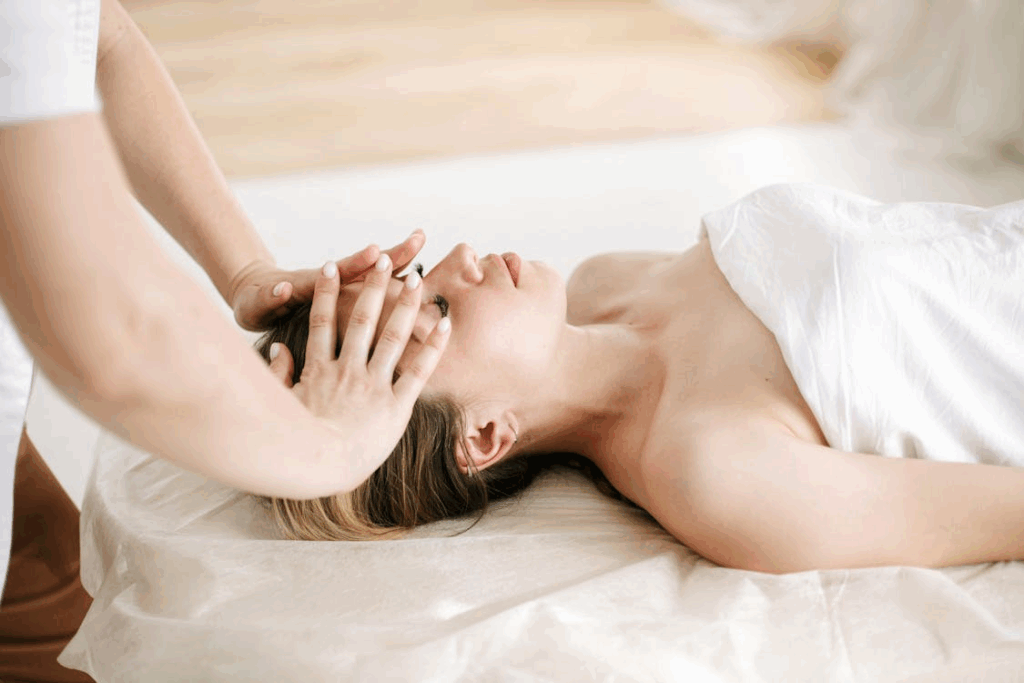
The question why are massages good for you has fascinated scientists, medical professionals, and wellness practitioners for decades. What begins as a simple desire for relaxation reveals itself as a complex cascade of physiological, neurochemical, and psychological responses that profoundly impact overall health. Understanding the scientific mechanisms behind massage therapy helps us appreciate why this ancient practice remains relevant and increasingly validated by modern research.
When people ask why do massages feel good, they’re touching on fundamental aspects of human biology and our nervous system’s response to touch. The pleasant sensations experienced during massage aren’t merely subjective impressions but result from measurable changes in brain chemistry, hormone levels, and nervous system activity. These changes explain why massage produces effects extending far beyond the treatment table, influencing sleep quality, stress resilience, and immune function.
Exploring why do massages work requires examining multiple body systems simultaneously. Massage therapy impacts muscular, circulatory, lymphatic, nervous, and endocrine systems through various mechanisms.
Why Do Massages Feel Good – The Neurochemical Response
Why do massages feel good can be answered by examining the remarkable neurochemical changes that occur when skilled hands apply therapeutic touch. The brain responds to massage by releasing various neurotransmitters and hormones that directly influence mood, pain perception, and overall sense of well-being.
Key neurochemical responses include:
- Endorphin release and natural pain relief. Massage stimulates endorphin production, the body’s natural painkillers that bind to opioid receptors in the brain. These chemicals produce effects similar to morphine but without addiction risks or negative side effects. Endorphin release explains why massage effectively reduces pain perception and creates feelings of euphoria or contentment. The intensity of endorphin release correlates with pressure depth and treatment duration, which is why pressure feels good during deeper massage work.
- Serotonin and dopamine elevation. Research consistently shows massage increases serotonin and dopamine levels, neurotransmitters crucial for mood regulation and emotional balance. Serotonin helps regulate anxiety, happiness, and mood stability, while dopamine influences motivation, pleasure, and reward processing. These elevations explain why people often feel emotionally lighter and more positive following massage sessions.
- Oxytocin production and bonding effects. Touch stimulates oxytocin release, often called the “bonding hormone” because of its role in social connection and trust. Oxytocin reduces stress, promotes relaxation, and enhances feelings of safety and comfort. This response explains why massage from trusted practitioners feels particularly soothing.
- Cortisol reduction and stress management. Massage significantly decreases cortisol, the primary stress hormone. Elevated cortisol contributes to numerous health problems including weight gain, sleep disturbances, weakened immunity, and cardiovascular issues. Studies show even single massage sessions can reduce cortisol by 30% or more.
Understanding why does pressure feels good involves recognizing the complex relationship between pressure, pain, and pleasure. Deep pressure activates specific mechanoreceptors in tissues that send signals to the brain’s reward centers. When pressure reaches optimal intensity — firm enough to release tension but not so intense as to cause injury — it creates a unique sensation often described as “good pain.” The brain interprets controlled discomfort as beneficial, releasing endorphins that transform potentially painful sensations into pleasurable relief.
Why Do Massages Work – The Physiological Mechanisms
Understanding why do massages work requires examining the various physiological mechanisms through which manual therapy affects body systems. Massage produces measurable changes in tissues, circulation, and nervous system function through both mechanical and reflexive pathways.
Primary physiological mechanisms include:
- Circulatory enhancement. Massage techniques promote both blood and lymphatic circulation. Increased blood flow delivers oxygen and nutrients to tissues while removing metabolic waste products like lactic acid that contribute to soreness and fatigue. Enhanced lymphatic circulation supports immune function and reduces inflammation by helping the body eliminate cellular debris and inflammatory compounds.
- Nervous system modulation. Touch activates various nerve receptors throughout the body, sending signals to the spinal cord and brain. These signals can override pain signals through a process called “gate control,” where non-painful input essentially closes the gate on pain transmission. Massage also influences autonomic nervous system balance, shifting from sympathetic dominance to parasympathetic activation, producing widespread relaxation responses.
- Fascial release and structural integration. Fascia, the connective tissue network surrounding muscles and organs, can become restricted due to injury, inflammation, or chronic tension. Massage techniques specifically targeting fascial restrictions help restore tissue mobility and proper structural alignment. This explains why are massages beneficial for chronic pain conditions often involving fascial dysfunction.
While massage directly affects treated areas, it also produces systemic responses influencing the entire body. For those seeking professional massage services, 부산 출장안마 provides skilled therapists in the Busan area offering various massage modalities with convenient outcall options for hotels and residences.
Are Massages Beneficial? The Proven Health Impacts
The question are massages beneficial has been extensively researched, with scientific evidence supporting numerous health benefits. Modern studies validate what practitioners have observed for centuries: regular massage therapy significantly impacts both physical and mental health.
Documented physical benefits include:
- Chronic pain management. Multiple studies demonstrate massage effectiveness for various chronic pain conditions including lower back pain, neck pain, arthritis, and fibromyalgia. Research shows massage can reduce pain intensity, improve function, and decrease medication dependence. The combination of muscle relaxation, improved circulation, and endorphin release creates comprehensive pain relief that often exceeds pharmaceutical interventions without side effects.
- Injury recovery and athletic performance. Athletes increasingly incorporate massage into training regimens for good reason. Research confirms massage reduces muscle soreness following intense exercise, accelerates recovery, and may prevent injuries by maintaining tissue flexibility. Post-exercise massage helps remove metabolic waste products and promotes tissue repair processes.
- Cardiovascular health support. Massage reduces blood pressure, particularly in individuals with hypertension. The combination of stress reduction, improved circulation, and direct effects on blood vessels contributes to cardiovascular benefits.
Mental and emotional health benefits:
- Anxiety and depression reduction. Clinical trials consistently show massage reduces anxiety and depression symptoms. The combination of decreased cortisol, increased serotonin and dopamine, and the therapeutic power of caring touch creates significant mental health benefits. Massage therapy is increasingly recognized as a valuable complementary treatment for mood disorders.
- Sleep quality improvement. Many people report feeling sleepy after massage, and research explains why. Massage increases delta brain waves associated with deep sleep, regulates circadian rhythms, and reduces factors that interfere with sleep like pain and anxiety.
- Stress resilience building. Beyond immediate relaxation, regular massage helps build long-term stress resilience by training the nervous system to more easily shift into parasympathetic mode. This enhanced flexibility helps people handle daily stressors more effectively.
Sleepy After Massage – The Science of Post-Massage Relaxation
Feeling sleepy after massage is one of the most commonly reported experiences, reflecting profound physiological changes occurring during and after treatment. Understanding why this happens helps clients appreciate and optimize post-massage recovery periods.
Mechanisms behind post-massage sleepiness:
- Parasympathetic nervous system activation. Massage strongly activates the parasympathetic nervous system, responsible for rest, digestion, and recovery. This activation produces drowsiness as the body shifts from alert states into recovery mode. Heart rate slows, breathing deepens, and the body prioritizes healing processes over maintaining wakefulness.
- Endorphin and serotonin effects. The neurochemicals released during massage, particularly endorphins and serotonin, produce natural sedative effects. These substances promote relaxation and can make maintaining alertness difficult. The pleasant drowsiness experienced is actually the body entering optimal healing states.
- Muscular relaxation and energy redistribution. As chronically tense muscles finally release, the body stops expending energy maintaining tension. This energy conservation combined with increased circulation to previously restricted areas can create temporary fatigue as the body processes released metabolic waste.
Understanding why are massages good for you in this context means recognizing that post-massage fatigue signals effective treatment. Schedule treatments when you can rest afterward. Drink plenty of water to support detoxification processes. Allow yourself to nap if possible, as sleep during this period is particularly restorative.
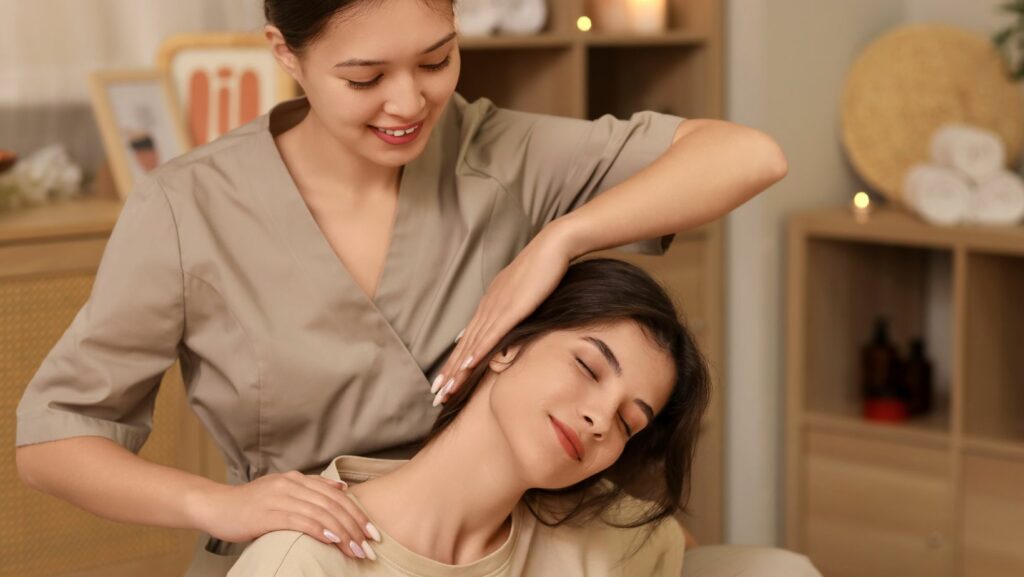
Massage For Pleasure – Integrating Wellness and Enjoyment
Massage for pleasure represents an important but sometimes overlooked aspect of therapeutic touch. While massage offers numerous health benefits, the immediate pleasure it provides is valuable in itself and contributes to overall wellness.
The therapeutic value of pleasure:
- Pleasure as a healing state. Experiencing genuine pleasure activates healing responses throughout the body. The brain doesn’t distinguish between different sources of positive experience; whether pleasure comes from massage, social connection, or creative expression, it triggers beneficial neurochemical cascades. Prioritizing massage for pleasure rather than viewing it solely as medical treatment may enhance therapeutic benefits by reducing performance pressure.
- Mindfulness and present-moment awareness. The pleasurable sensations during massage naturally draw attention to present-moment physical experience. This embodied mindfulness reduces rumination about past or future concerns, providing mental rest that supports emotional health. The pleasure principle helps maintain this focus, making massage a natural mindfulness practice.
- Body positivity and self-care. Regular pleasurable massage experiences help develop positive relationships with your body. This body awareness and appreciation supports better self-care decisions in other areas including nutrition, exercise, and stress management. Understanding why do massages feel good helps validate the importance of pleasure in comprehensive wellness approaches.
Effective massage integrates clinical benefits with pleasurable experience. Skilled therapists understand that client enjoyment and relaxation enhance therapeutic outcomes. Communication about pressure preferences, technique choices, and overall comfort ensures treatments deliver both immediate pleasure and long-term health benefits.